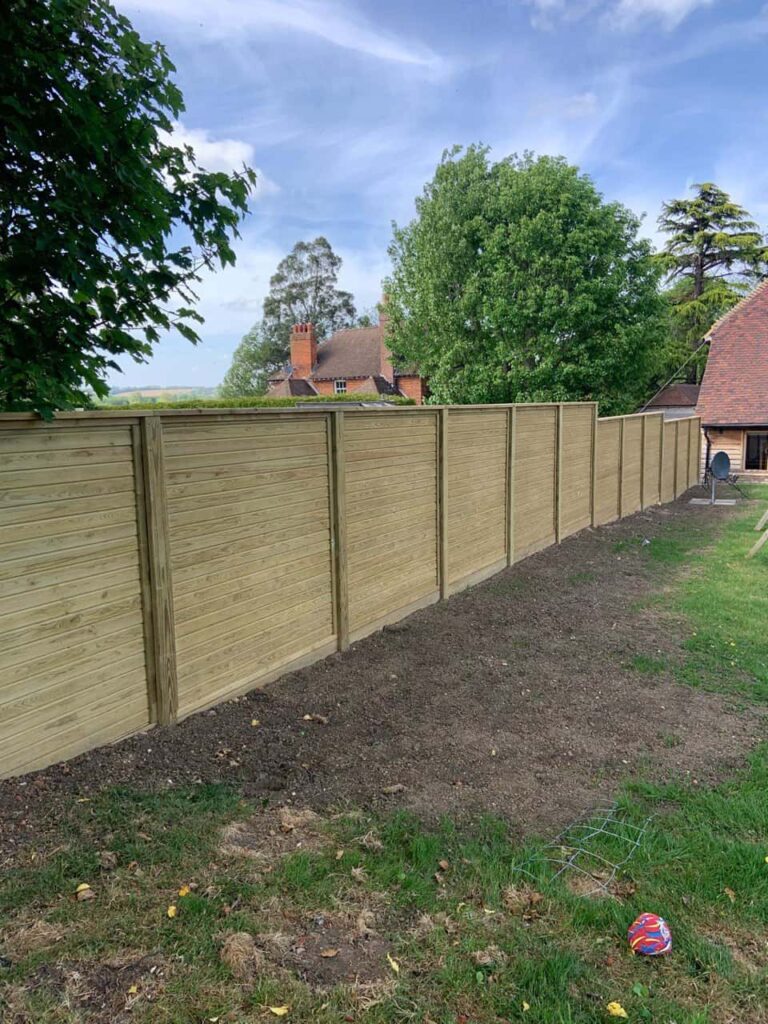
How to Choose the Right Post and Rail Fence for Your Property in Milton, Cambridge
Post and rail fencing is a practical and attractive way to define property boundaries, separate outdoor areas and provide a traditional countryside appearance. Its simple construction makes it suitable for a range of properties, from large gardens and rural spaces to paddocks and open boundaries. However, choosing the right fence involves more than selecting a style. The number of rails, timber quality, fence height and ground conditions all influence how well it performs.
For property owners in Milton, Cambridge, selecting suitable post and rail fencing can help create a durable boundary that complements the surrounding landscape. Understanding the available options makes it easier to choose a design that meets your property’s practical requirements.
What Is Post and Rail Fencing?
Post and rail fencing consists of sturdy vertical posts connected by horizontal timber rails. The rails are secured between or across the posts to create an open boundary.
Unlike close-board or feather edge fencing, post and rail designs leave visible gaps between the rails. This makes them useful where maintaining an open view is important, while still providing a clear division between different areas.
Depending on the design, post and rail fencing can be used for:
- Defining garden and property boundaries.
- Separating paddocks and grazing areas.
- Creating boundaries around larger outdoor spaces.
- Protecting planted areas from unwanted access.
- Adding a traditional finish to landscaped gardens.
The most suitable design depends on how the boundary will be used and the level of enclosure required.
Consider the Purpose of Your Fence
Before choosing materials or dimensions, consider what you want the fence to achieve.
Defining Property Boundaries
If the main purpose is to mark the edge of a garden or property, a straightforward post and rail design may be sufficient. Two or three horizontal rails can create a clearly defined boundary without making the space feel enclosed.
This style is particularly useful where homeowners want to maintain views across their garden or surrounding landscape.
Enclosing Larger Areas
For larger properties, paddocks or open outdoor spaces, the fence may need to cover a considerable distance. Consistent post spacing and suitable rail dimensions are important for maintaining a neat, stable appearance along the boundary.
The design should also reflect the intended use of the enclosed area, particularly where animals will be present.
Creating a Decorative Garden Feature
Post and rail fencing can also be used as a decorative feature. Its natural timber appearance works well with traditional garden designs and can complement lawns, planting areas and landscaped spaces.
Choosing a suitable timber finish and consistent layout helps create a boundary that looks intentional rather than purely functional.
Choosing the Right Timber
Timber quality has a significant influence on how well post and rail fencing performs outdoors. As the fence remains exposed to rain, moisture and changing temperatures, suitable treatment is important.
Pressure-treated timber is commonly used for external fencing because the treatment helps protect the wood against fungal decay and insect attack.
When selecting timber, consider:
- Durability: Choose timber suitable for continuous outdoor exposure.
- Treatment: Ensure posts and rails are appropriately treated for their intended use.
- Appearance: Consider whether a natural finish or a particular timber colour will complement the property.
- Consistency: Matching posts and rails help create a uniform finished boundary.
The sections that come into contact with the ground deserve particular attention, as they are exposed to persistent moisture and are more vulnerable to decay.
How Many Rails Should Your Fence Have?
Post and rail fencing is available in different configurations, commonly using two, three or more horizontal rails.
A two-rail fence provides a simple, open appearance and can be suitable for marking boundaries where limited enclosure is required.
A three-rail design creates a more substantial visual boundary and may be more appropriate for larger gardens or areas where a clearer division is needed.
The correct arrangement depends on the fence’s purpose, height and the level of security or containment required. If the fence is intended to contain animals, its design must be appropriate for the species and size involved.
Why Post Spacing and Ground Preparation Matter
Even good-quality timber can perform poorly if the fence is not installed correctly. Posts must be positioned at suitable intervals and securely installed to support the weight of the rails and withstand everyday environmental conditions.
Ground conditions in Milton should also be considered when planning the installation. Uneven, soft or poorly drained ground may require additional preparation to ensure the posts remain stable.
Accurate setting out helps maintain consistent rail heights and a straight boundary. Where the ground slopes, the fence may need to follow the natural gradient or be installed in stepped sections, depending on the layout and desired finish.
Choosing a Fence That Suits Your Property
The appearance of post and rail fencing should complement the property rather than dominate the outdoor space. Consider the layout of the garden, existing landscaping, neighbouring boundaries and the views you want to preserve.
For a traditional appearance, natural timber can blend well with lawns and planting. A more substantial arrangement may suit larger open spaces, while a simpler design can provide an understated boundary around a garden.
It is also worth considering future maintenance. Timber fencing benefits from periodic inspections to identify loose rails, damaged posts and early signs of deterioration.
Professional Post and Rail Fencing in Milton
A successful fencing installation depends on choosing appropriate materials, planning the layout and preparing the ground properly. Small details, including post alignment, rail positioning and secure fixings, contribute to the overall strength and appearance of the finished fence.
Fast Fix Fencing Milton can help property owners select and install post and rail fencing suited to their requirements. Whether you need a simple garden boundary or fencing for a larger outdoor area, professional installation helps ensure the design is practical and well finished.
Conclusion
Choosing the right post and rail fence involves considering its purpose, timber quality, rail configuration, ground conditions and overall appearance. A carefully planned installation can provide a durable, attractive boundary while preserving the open feel of your outdoor space.
If you are considering post and rail fencing for your property in Milton, Cambridge, Fast Fix Fencing Milton can help you find a suitable solution. Contact the team to discuss your requirements and arrange a professional fencing installation.
Call us on: 01223 912 299
Click here to find out more about Fast Fix Fencing Milton
Click here to complete our contact form and see how we can help with your fencing needs.