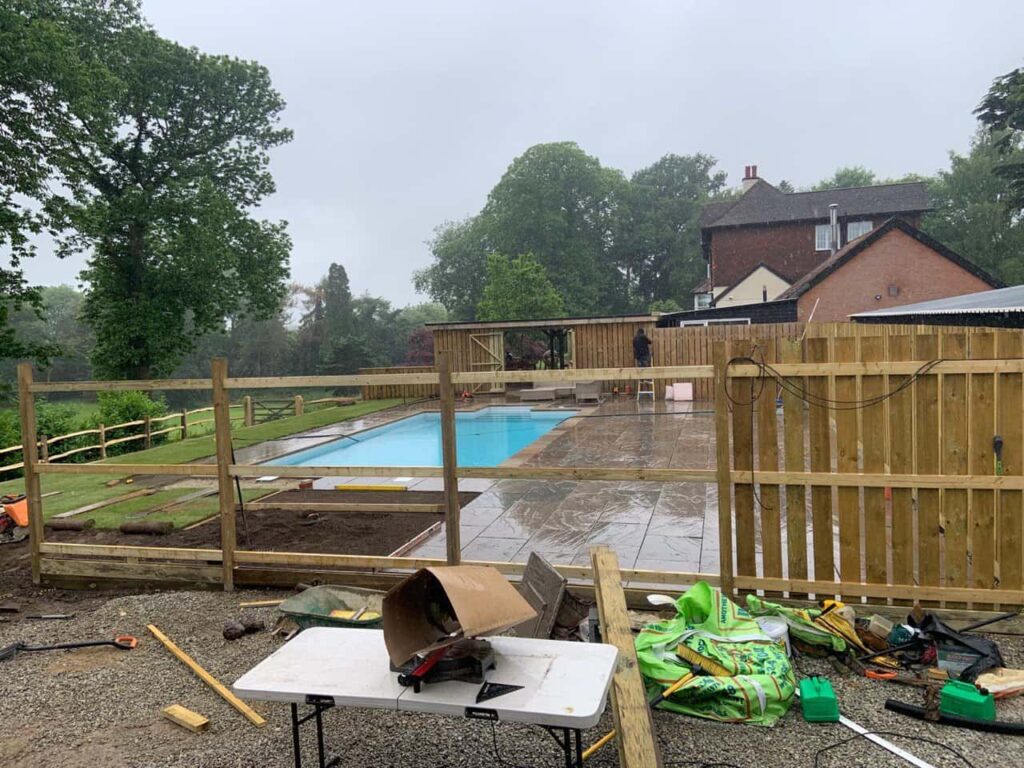
Post & Rail Fencing: A Practical Guide to Choosing the Right Boundary Solution
Post and rail fencing is a simple, versatile boundary solution that can provide a practical way to define gardens, larger properties and open spaces. Its open design gives it a distinctive appearance while maintaining visibility across the boundary.
For properties in Milton, Cambridge, choosing the right fencing depends on how the boundary will be used, the appearance you want to achieve and the level of durability required. Understanding the main features of post and rail fencing can help you decide whether it is suitable for your property.
What Is Post and Rail Fencing?
Post and rail fencing consists of vertical posts secured into the ground, with horizontal rails fitted between them. The straightforward construction gives this type of fencing a strong but open appearance.
Unlike solid fencing, post and rail does not completely screen an area. This makes it particularly suitable where you want to establish a clear boundary without creating a visually enclosed space.
The number and arrangement of rails can vary depending on the intended use and the desired appearance.
Where Can Post and Rail Fencing Be Used?
Post and rail fencing can be suitable for a variety of outdoor settings in Milton, Cambridge.
It can be used to:
- Define property boundaries
- Separate different areas of a large garden
- Enclose open spaces
- Create boundaries around landscaped areas
- Divide sections of land
- Provide a traditional rural-style appearance
Its open structure can also help maintain views while clearly marking where one area ends and another begins.
What Are the Benefits of Post and Rail Fencing?
One of the main advantages of post and rail fencing is its uncomplicated design. With fewer components than many other fencing systems, it can provide an effective boundary without making an outdoor area feel closed in.
Open and Attractive Appearance
The gaps between the rails allow light and views to pass through. This can be useful where maintaining an open feel is important.
The traditional appearance can also complement gardens and properties where a more natural-looking boundary is preferred.
Versatile Boundary Solution
Post and rail fencing can be adapted to suit different spaces. The positioning of posts and rails can be planned according to the layout of the area, making it useful for both straightforward and larger boundary projects.
Suitable for Larger Areas
Because of its open construction, post and rail fencing can be particularly practical for defining larger spaces. It can establish a clear boundary without visually dominating the surrounding landscape.
How Do You Choose the Right Post and Rail Fencing?
Before choosing a post and rail system, consider how the fence will be used and what you need it to achieve.
Consider the Purpose
The first consideration should be the purpose of the boundary. A fence intended simply to mark an area may have different requirements from one used to divide sections of a garden or contain animals.
Knowing the purpose helps determine the appropriate height, rail arrangement and overall design.
Think About the Location
The ground conditions and layout of the property can affect how fencing is installed. Sloping ground, uneven areas, existing landscaping and access to the boundary should all be considered before work begins.
A professional assessment can help establish the most suitable arrangement for the available space.
Choose a Suitable Design
Post and rail fencing can be configured in different ways. The number of rails and spacing between them can influence both appearance and function.
The design should provide the level of boundary definition you require while complementing the surrounding property.
Does Post and Rail Fencing Require Maintenance?
Like other outdoor timber fencing, post and rail fencing is exposed to changing weather conditions throughout the year. Regularly checking the posts and rails can help identify signs of deterioration or damage at an early stage.
Look for movement, damaged sections, decay or loose components. Prompt attention to individual problems may help prevent them from affecting larger sections of the boundary.
Keeping vegetation under control around the fence can also make inspections and maintenance easier.
Is Post and Rail Fencing Right for Your Property?
Post and rail fencing is particularly suitable when you want a clear, open boundary rather than a fully enclosed screen. However, it may not be appropriate where privacy or complete separation is the main objective.
For properties in Milton, Cambridge, considering the purpose, location and appearance of the boundary can help determine whether post and rail fencing is the right choice.
Fast Fix Fencing Milton can assess your requirements and discuss suitable fencing options based on the layout and intended use of your property.
Conclusion
Post and rail fencing offers a practical and attractive way to define outdoor spaces while maintaining an open appearance. Its straightforward construction makes it suitable for a range of boundary applications, particularly where visibility and a traditional look are important.
Choosing the right design requires consideration of the purpose of the fence, the characteristics of the site and the level of boundary definition required. If you are considering post and rail fencing in Milton, Cambridge, contact Fast Fix Fencing Milton to discuss your requirements and arrange professional fencing services.
Call us on: 01223 912 299
Click here to find out more about Fast Fix Fencing Milton
Click here to complete our contact form and see how we can help with your fencing needs.