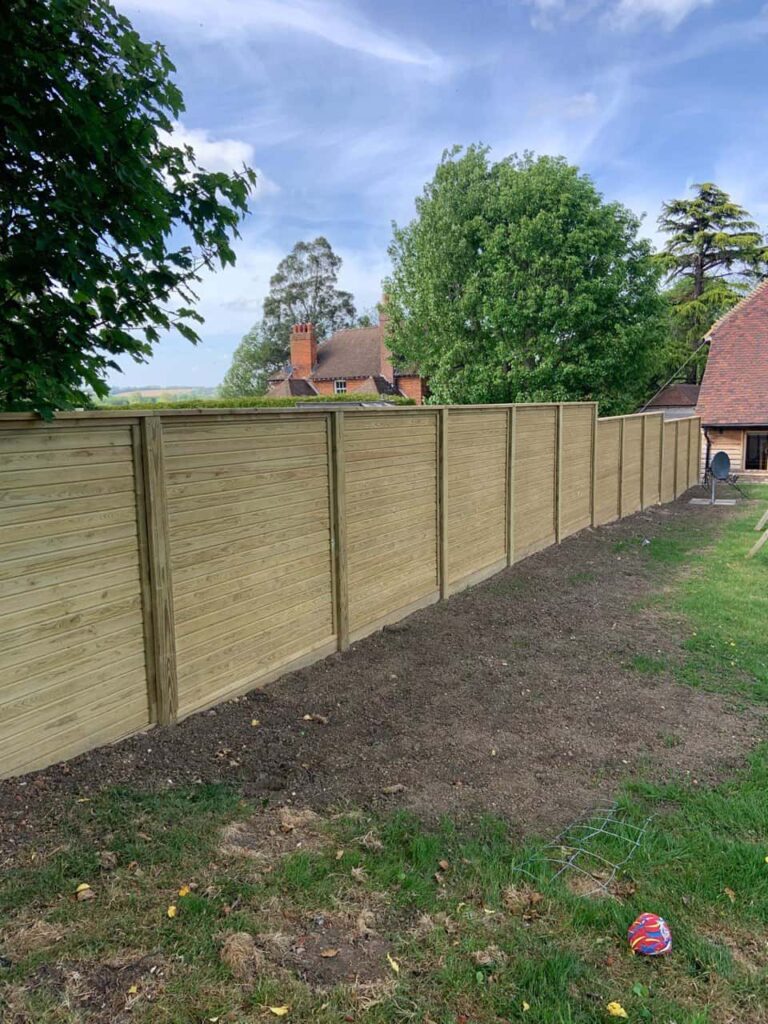
Why Small Fence Problems Can Become Bigger Without Proper Repairs
A fence is expected to provide a strong, dependable boundary while also contributing to the appearance and privacy of a property. Because fencing is continuously exposed to wind, rain, changing temperatures and everyday wear, small defects can develop gradually. A slightly loose post, an unstable panel or a damaged section of timber may initially seem insignificant, but these weaknesses can place additional strain on surrounding parts of the fence.
For homeowners in Milton, Cambridge, dealing with fence damage at an early stage can help prevent an isolated defect from developing into a much wider problem. Professional fence repairs are not simply about improving appearance; they can restore strength where it has been lost and help keep the remaining fence in serviceable condition.
Why Minor Fence Damage Should Not Be Ignored
Most fencing systems rely on several components working together. Posts provide support, rails hold sections together, fixings maintain connections and panels or boards create the main boundary.
When one component begins to fail, the load can be transferred elsewhere.
For example, a loose post may allow a panel to move excessively in the wind. That movement can loosen fixings, strain neighbouring posts and eventually affect several sections that were previously secure.
What started as one manageable defect can therefore become a more extensive repair if deterioration is allowed to continue.
Loose Fence Posts Can Affect the Entire Section
Fence posts are particularly important because they provide the main structural support for the fence.
A post may begin moving because of deterioration, ground movement, repeated wind loading or weakening around its base. At first, the movement might only be noticeable when the fence is pushed or during strong winds.
Once a post is no longer properly supporting the fence, however, adjoining panels can begin moving with it.
Common warning signs include:
- A post leaning away from its original position
- Movement when the fence is lightly pushed
- Panels no longer sitting level
- Gaps developing between adjoining sections
- Fixings repeatedly becoming loose
- Sections moving noticeably during windy conditions
Investigating the cause early provides an opportunity to repair the affected area before additional components become damaged.
Small Amounts of Movement Can Become Significant
A fence does not necessarily need to be visibly collapsing before movement becomes a concern.
Repeated small movements can gradually weaken connections between posts, rails and panels. Screws or nails can loosen, timber can split around fixing points and joints may begin opening.
Wind can accelerate this process.
A sound fence transfers wind forces through its supporting structure. When one section is already loose, movement can become more pronounced, placing additional stress on neighbouring sections each time windy weather occurs.
This is why a fence that appears only slightly unstable can deteriorate noticeably if the underlying problem is left unresolved.
Damaged Panels Can Put Surrounding Fencing Under Pressure
A cracked or partially detached fence panel may still remain upright, but that does not necessarily mean it is functioning correctly.
Once a panel loses some of its strength, it can flex or move differently from the surrounding fence. This may affect its connections to the posts and increase the likelihood of further damage.
Professional repairs can determine whether the panel itself can be restored or whether the affected component needs replacing.
The important point is to deal with the actual weakness rather than simply securing a visibly loose part temporarily.
Timber Damage Can Continue Developing
Timber fencing naturally faces continual exposure to outdoor conditions.
Small areas of deterioration can become more significant when moisture repeatedly reaches vulnerable timber. Particular attention should be paid to areas around the base of posts, damaged boards, exposed ends and sections where water tends to remain.
Early signs may include:
Softening timber
Wood that has lost its firmness may no longer provide adequate structural support.
Splitting
Small cracks can gradually extend, particularly around heavily loaded fixing points.
Warping
Boards or panels can change shape as they are repeatedly exposed to moisture and drying conditions.
Loose connections
As timber deteriorates around screws, nails or brackets, the fixing may no longer hold as securely as intended.
Identifying the extent of deterioration is important because repairing only the most obvious symptom may not provide a lasting result.
Leaning Fences Rarely Correct Themselves
A fence that has started leaning deserves attention even if it remains standing.
Leaning commonly indicates that part of the supporting structure is no longer maintaining the fence in its correct position. The problem might involve a post, its base, surrounding ground or connections between components.
As the angle increases, the weight of the fence can place further pressure on the weakened section.
The adjoining fencing may then begin to move as well.
Having the cause assessed while the lean is relatively minor can make it possible to address the affected components before the problem spreads along a larger part of the boundary.
Missing or Loose Fixings Matter More Than They Appear
Individual fixings are small, but they play an important role in maintaining the rigidity of a fence.
A missing screw, loose bracket or failing connection can allow additional movement. Once movement begins, other fixings can experience greater stress.
Simply replacing a fixing is not always sufficient either. It is important to understand why it became loose.
If the surrounding timber is damaged or the fence is moving because a supporting post has weakened, repeatedly replacing fixings will not resolve the underlying cause.
Professional fence repair looks beyond the immediate symptom to establish why the defect has developed.
Weather Can Quickly Expose Existing Weaknesses
Minor fence defects often become much more noticeable during poor weather.
A secure fence is designed to cope with normal exposure, but an already weakened section may respond very differently. Wind can increase movement in loose posts and panels, while prolonged wet conditions can contribute to deterioration in vulnerable timber.
This means a fence that appears reasonably stable during calm weather may reveal significant movement when conditions change.
Addressing known defects promptly helps restore strength before the fence is subjected to further weather-related stress.
Why Temporary Repairs Can Be Misleading
It can be tempting to brace a leaning section, add extra fixings or secure a loose panel and consider the problem resolved.
Temporary measures may reduce movement for a short period, but they do not necessarily correct the original defect.
If a post has weakened, for example, adding fixings to the panel will not restore the post itself. Similarly, securing damaged timber to another deteriorating component may simply transfer the problem elsewhere.
A proper repair should identify:
- Which component has failed
- Why the failure has occurred
- Whether neighbouring sections have been affected
- Which parts remain suitable for continued use
- What repair will restore dependable support
This approach can provide a much more effective result than repeatedly treating visible symptoms.
Early Repairs Can Help Preserve More of the Existing Fence
One of the strongest reasons for dealing with small problems promptly is that the rest of the fence may still be in perfectly serviceable condition.
If damage is limited to one post, panel or section, a targeted professional repair may restore the boundary without unnecessary work elsewhere.
If deterioration is ignored, however, continued movement can begin affecting components that were originally sound.
Early intervention therefore helps protect the existing fence rather than allowing one defect to gradually compromise a larger area.
Signs Your Fence Should Be Professionally Assessed
Not every minor visual imperfection means substantial repair work is required. However, certain changes are worth investigating, particularly when they appear to be getting progressively worse.
Consider arranging an assessment if you notice:
- Fence posts beginning to lean or move
- Panels rattling or moving excessively
- Boards becoming loose or detached
- Cracks around structural connections
- Sections no longer lining up correctly
- Visible deterioration near the bottom of timber posts
- Fixings repeatedly working loose
- Gaps appearing between panels and posts
- A fence becoming noticeably less stable during windy weather
The earlier the cause is identified, the easier it is to prevent avoidable deterioration elsewhere.
Why Professional Fence Repairs Provide Better Long-Term Results
Effective fence repair involves more than making the boundary look straight again.
The damaged section needs to be assessed as part of the complete fencing structure. A professional contractor can determine whether the issue is isolated or whether movement has already affected neighbouring components.
At Fast Fix Fencing Milton, we provide professional fencing repairs in Milton, Cambridge, focusing on identifying the source of the problem and restoring the affected section appropriately.
Where existing components remain in good condition, retaining them can make sense. Where parts have deteriorated beyond reliable repair, replacing the affected components can help restore the strength and appearance of the boundary.
Repairing Problems Before They Spread
Fence deterioration is often progressive rather than sudden.
The sequence can be surprisingly simple: one post becomes slightly unstable, the attached panel begins moving, its fixings loosen, the next post experiences additional strain and eventually a much larger section requires attention.
Breaking that sequence early is one of the main purposes of timely fence repair.
It also allows homeowners to maintain a tidy, secure and dependable boundary rather than waiting until obvious failure occurs.
Conclusion
Small fence problems should not be dismissed simply because the fence is still standing. Loose posts, damaged panels, deteriorating timber and failing fixings can all introduce movement and weakness into the wider structure. Once neighbouring components begin compensating for that weakness, deterioration can spread beyond the original problem.
Prompt professional repairs can identify the underlying cause, restore stability and help preserve sections of fencing that remain in good condition.
For homeowners in Milton, Cambridge, Fast Fix Fencing Milton provides professional fence repair services for damaged, leaning and unstable fencing. If you have noticed a small defect that appears to be worsening, contact our team to arrange an assessment and address the problem before it develops further.
Call us on: 01223 912 299
Click here to find out more about Fast Fix Fencing Milton
Click here to complete our contact form and see how we can help with your fencing needs.